



The presence of particulates can significantly affect product quality, leading to defects or failures. In research settings, contamination can compromise the validity of experiments, resulting in inaccurate conclusions. As highlighted in a
"The consequences of contamination can be catastrophic, not just financially but also in terms of reputational damage."
-
Expert Opinion, Cleanroom Industry
Managing particulates effectively is challenging due to the complex nature of cleanroom environments. Factors such as airflow dynamics, equipment design, and human activity all contribute to the difficulty in maintaining optimal particulate control. Current challenges include developing more efficient filtration systems and improving monitoring technologies to detect contamination risks in real-time.
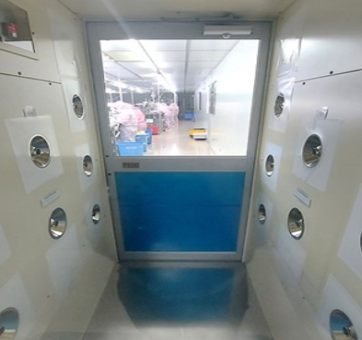
In the realm of cleanroom technology, the Dust Catcher Trap stands out as a vital component for ensuring particulate control. Cleanrooms are designed to minimize contamination, and the Dust Catcher Trap plays a crucial role in achieving this goal by capturing dust and other particles that could compromise the environment.
The Dust Catcher Trap operates on the principle of capturing dust particles through a combination of airflow management and filtration. By creating a controlled airflow, these traps can effectively draw in and retain particles, preventing them from circulating within the cleanroom.
The effectiveness of a Dust Catcher Trap is largely dependent on its components and the materials used in its construction. High-quality filters, durable housing, and precise airflow control mechanisms are essential for optimal performance in cleanroom applications.
Recent advancements in trap design have focused on improving filtration efficiency, reducing maintenance requirements, and enhancing overall performance. These advancements have led to more effective Dust Catcher Traps that can meet the stringent demands of modern cleanroom environments, leveraging the latest in trap design technology.
Understanding how Dust Catcher Traps capture microscopic particles is crucial for maintaining cleanroom integrity. These devices are engineered to remove particulates that can compromise product quality and research integrity.
The capture of microscopic particles begins with airflow dynamics. Dust Catcher Traps are designed to optimize airflow, ensuring that particles are drawn into the trap. The behavior of particles within the airflow is influenced by factors such as particle size, shape, and charge.
Filtration mechanisms play a critical role in capturing particles. Different filters have varying efficiency ratings, such as HEPA or ULPA, which determine their ability to capture particles of specific sizes. The choice of filter depends on the cleanroom classification and the level of particulate control required.
Dust Catcher Traps are capable of capturing a wide range of particle sizes. This is achieved through a combination of filtration mechanisms and airflow dynamics.
For sub-micron particles, specialized filters with high efficiency ratings are used. These filters can capture particles as small as 0.1 microns, ensuring that even the smallest particulates are removed.
Larger particulates are managed through pre-filtration stages or by using filters with larger pore sizes. This helps to extend the life of the main filter and maintain overall system efficiency.
Different cleanroom classifications demand specific Dust Catcher Systems to maintain their integrity and functionality. Cleanrooms are categorized based on the level of cleanliness required, and the Dust Catcher System plays a crucial role in achieving and maintaining this cleanliness.
For the most stringent cleanroom environments, classified as ISO Class 1-3, highly advanced Dust Catcher Systems are employed. These systems utilize state-of-the-art filtration technology to capture even the smallest particles, ensuring the environment remains contamination-free.
In cleanrooms categorized as ISO Class 4-6, the Dust Catcher Systems are designed to balance between high efficiency and operational practicality. These systems are crucial in environments where moderate to high levels of cleanliness are required, such as in certain pharmaceutical and biotechnology settings.
For less stringent environments, such as those classified as ISO Class 7-9, the Dust Catcher Systems can be tailored to meet the specific needs of the cleanroom. These systems often focus on cost-effectiveness while still maintaining the required level of cleanliness.
A common challenge in cleanroom design is the accumulation of particles in room corners. Specialized Dust Catcher Systems are designed to address this issue, using targeted airflow and strategic placement to capture particles that might otherwise accumulate.
Dust Catcher Traps play a crucial role in various industries, including pharmaceuticals and biotechnology, where maintaining a contaminant-free environment is paramount.
Their application is tailored to meet the specific needs of different sectors, ensuring that the cleanliness and precision required in these environments are maintained.
In pharmaceutical and biotechnology settings, Dust Catcher Traps are used to prevent contamination that could compromise product integrity. These environments require stringent cleanliness standards, and the traps are designed to capture even the smallest particles that could affect production.
The semiconductor industry relies on Dust Catcher Traps to maintain the ultra-clean environments necessary for manufacturing high-precision electronics. The traps help in reducing defects caused by particulate contamination.
In medical device production, the cleanliness of the environment directly impacts the safety and efficacy of the devices. Dust Catcher Traps are used to ensure that these facilities remain free from contaminants.
Research laboratories, where experiments require controlled environments, benefit from the use of Dust Catcher Traps. These traps help in maintaining the integrity of the research by minimizing contamination risks.
By catering to the unique requirements of each industry, Daikyo International Philippines provides Dust Catcher Trap solutions that enhance operational efficiency and product quality.
Optimizing cleanroom environments requires careful consideration of Dust Catcher Trap installation strategies. Effective installation is not just about placing the traps; it's about creating a comprehensive system that works in harmony with the existing cleanroom infrastructure.
Cleanroom mapping is a critical step in identifying the most effective locations for Dust Catcher Traps. By understanding the airflow dynamics and potential contamination hotspots, facilities can strategically place traps to maximize their efficiency. Strategic placement ensures that the traps capture the most critical areas where particles are likely to accumulate.
Seamless integration with existing air handling systems is vital for optimal performance. This involves ensuring that the Dust Catcher Traps work in conjunction with the air handling units to create a cohesive air quality management system. Proper integration helps in maintaining consistent airflow and pressure, which is crucial for cleanroom integrity.
After installation, thorough validation and testing are necessary to ensure that the Dust Catcher Traps are functioning as intended. This includes:
Conducting particle count verification to ensure that the traps are effectively reducing particulate levels.
Analyzing airflow patterns to confirm that the traps are not disrupting the cleanroom's airflow dynamics.
By following these installation strategies and validation protocols, facilities can ensure that their Dust Catcher Traps are operating at peak performance, thereby maintaining a cleaner and more controlled environment.
Regular maintenance and performance monitoring are essential for maximizing the effectiveness of Dust Catcher Traps in cleanroom environments. By implementing rigorous maintenance protocols, facilities can ensure the continued performance and longevity of these critical systems.
Routine inspections are vital for identifying potential issues before they become major problems. Scheduled inspections should be conducted regularly, checking for signs of wear, damage, or decreased performance. This proactive approach helps maintain the overall integrity of the cleanroom environment.
Filter replacement and cleaning are crucial maintenance tasks. Filters should be replaced according to the manufacturer's schedule, and cleaning procedures should be followed as recommended. This ensures that the Dust Catcher Trap continues to capture particulate matter effectively.
Advanced performance monitoring technologies can be integrated into Dust Catcher Traps to provide real-time data on their operation. These technologies enable facilities to respond quickly to any changes in performance, ensuring continuous optimal operation.
Accurate documentation and compliance tracking are necessary for regulatory adherence. Maintaining detailed records of maintenance activities, inspection results, and performance data helps demonstrate compliance with relevant standards and regulations.
Daikyo International Philippines is at the forefront of providing effective dust catcher solutions for cleanroom environments. With a strong commitment to innovation and quality, the company has established itself as a leader in the industry.
Daikyo International Philippines has a significant presence in the global market, serving various industries that require stringent cleanroom standards. The company's proprietary technologies and commitment to excellence have earned it a reputation for delivering high-quality dust catcher solutions.
The company's innovative trap designs are engineered to capture even the smallest particles, ensuring the highest level of cleanliness. Daikyo's proprietary technologies are designed to be efficient, reliable, and adaptable to different cleanroom classifications.
Daikyo International Philippines has a portfolio of successful implementations across various sectors, including pharmaceuticals, biotechnology, and semiconductor manufacturing. Case studies demonstrate the effectiveness of their dust catcher solutions in maintaining cleanroom integrity and enhancing product quality.
The company provides comprehensive support and service infrastructure, ensuring that clients receive timely assistance and maintenance for their dust catcher systems. This includes scheduled inspections, filter replacement, and performance monitoring, guaranteeing optimal operation and compliance with regulatory standards.
By choosing Daikyo International Philippines, industries can benefit from the company's expertise and cutting-edge technology, ensuring a cleaner and safer environment for their operations.
Regulatory standards play a pivotal role in ensuring the efficacy of particulate control measures in controlled environments. Dust Catcher Traps, being a critical component of cleanroom setups, must adhere to stringent regulatory requirements to ensure optimal performance and compliance.
The ISO14644 standard is a cornerstone for cleanroom classification and operation. Dust Catcher Traps must be designed and validated to meet the specific requirements of this standard, ensuring that they contribute to achieving the desired cleanroom classification. This involves rigorous testing and certification processes.
In industries such as pharmaceuticals and biotechnology, FDA and GMP (Good Manufacturing Practice) requirements are paramount. Dust Catcher Traps used in these environments must be compliant with these regulations, ensuring that they do not compromise the sterility or integrity of the products being manufactured.
For companies operating in or exporting to the European Union, EU GMP guidelines must be followed. Additionally, international standards such as those set by ISO may also apply, necessitating a comprehensive understanding of these regulations to ensure compliance.
Adequate documentation and validation are critical for demonstrating compliance with regulatory standards. This includes maintaining detailed records of testing, validation protocols, and certification documents for Dust Catcher Traps.
To justify the investment in Dust Catcher Traps, facilities must consider both the initial expenses and long-term benefits. A comprehensive cost analysis is crucial for understanding the economic viability of these systems.
The initial cost of implementing a Dust Catcher Trap includes the purchase price of the unit, installation costs, and any necessary modifications to the existing cleanroom infrastructure. While these upfront expenses may seem significant, they are a crucial investment in maintaining a contamination-free environment.
Ongoing operational costs include filter replacements, energy consumption, and maintenance activities. However, these costs are often offset by the long-term benefits of reduced contamination risks and improved product yields.
The value of contamination prevention cannot be overstated. By effectively capturing microscopic particles, Dust Catcher Traps help protect sensitive products and processes, ultimately contributing to the overall integrity and reliability of the cleanroom environment.
When evaluating the cost-effectiveness of Dust Catcher Traps, it's essential to compare them with alternative particulate control solutions. This analysis should consider factors such as filtration efficiency, maintenance requirements, and overall system performance to determine the most suitable option for specific cleanroom applications.
Maintaining cleanroom integrity is crucial for industries that require controlled environments, such as pharmaceuticals, semiconductors, and medical devices. Effective particulate control is at the heart of this integrity, ensuring that products are manufactured in environments that minimize contamination risks.
The Dust Catcher Trap plays a vital role in achieving this goal by capturing microscopic particles that can compromise product quality and research integrity. By understanding the critical role of particulate control and implementing the right Dust Catcher Trap solutions, facilities can ensure compliance with regulatory standards and maintain the highest levels of cleanliness.
By integrating Dust Catcher Traps into their cleanroom environments, industries can maximize cleanroom integrity, reduce contamination risks, and improve overall product quality. This not only enhances operational efficiency but also supports the production of high-quality products that meet stringent regulatory requirements.
Copyright © 2025 Daikyo International Philippine Inc. All Rights Reserved.


